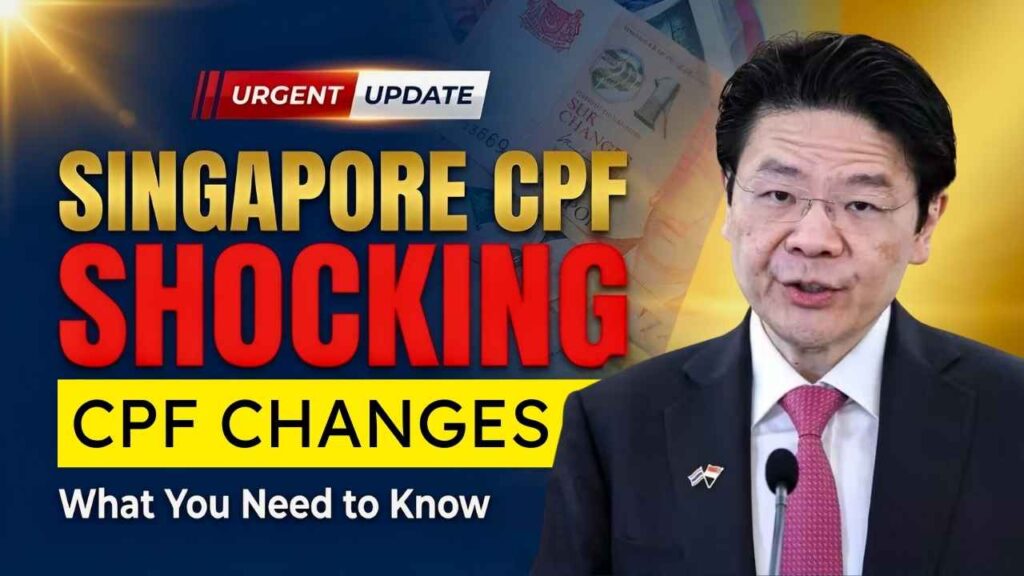
Cost-of-Living Support 2025: Living expenses are rising, and many households are feeling the pinch. From soaring grocery bills to higher energy costs, inflation has made everyday life more challenging. Governments worldwide are responding with new support measures aimed at easing financial burdens and helping residents maintain stability. If you’ve been wondering what relief options are available this year, this article breaks down key initiatives in a clear, practical, and friendly way.

Extra Cash Assistance for Families
Many governments are offering direct financial support to households struggling with rising costs. These programs often provide lump-sum payments or monthly allowances to help cover essentials like food, utilities, and childcare. The goal is to give families breathing room in their budgets without adding stress. Eligibility criteria typically focus on income levels, family size, and specific regional needs. Staying informed about application windows is key to receiving this support.

Energy Bill Relief Programs
Rising energy bills have been a major concern for residents, and governments have introduced targeted programs to ease the burden. These measures can include discounts on electricity and gas, payment assistance plans, and rebates for energy-efficient appliances. By reducing the cost of basic utilities, households can better manage their monthly expenses. Residents are encouraged to check with local utility providers to ensure they qualify and take full advantage of available relief programs.
Food Support Initiatives
To help families maintain access to nutritious meals, governments are expanding food assistance programs. These initiatives include food vouchers, subsidies for groceries, and support for community food banks. The aim is to reduce the strain of rising supermarket prices while promoting healthier eating options. Many programs also focus on vulnerable populations such as children, seniors, and low-income households. Staying connected with local offices ensures that residents can benefit from these timely and practical measures.
Affordable Housing Solutions
Housing costs continue to rise, prompting governments to introduce initiatives that make rent and mortgage payments more manageable. Programs may offer rental subsidies, temporary relief for mortgage payments, or incentives for first-time homeowners. These measures aim to prevent financial hardship while maintaining access to safe, stable housing. Residents are encouraged to explore local housing offices and online portals for eligibility requirements and application details to take advantage of these valuable opportunities.

Transportation Cost Reductions
Commuting and transportation costs have surged, so relief measures are being applied to public transport and fuel expenses. Initiatives may include discounted transit passes, fuel subsidies, or free access to essential routes during peak inflation periods. By lowering daily commuting costs, households can redirect savings toward other pressing needs. Staying informed about program availability and deadlines is essential for residents who rely on transportation for work, school, or daily activities.
Tax Breaks for Low-Income Residents
Governments are also using tax relief to reduce the financial burden on struggling residents. Tax credits, deductions, or temporary exemptions can provide immediate relief and improve disposable income. These measures often focus on low- to middle-income households, families with children, and seniors. Filing taxes accurately and on time ensures residents can fully benefit from available breaks, helping to offset rising expenses across multiple areas of daily life.
Healthcare Assistance Programs
Healthcare costs are another major factor in household budgets, and governments are stepping in with expanded support. Programs may cover prescription costs, provide subsidized medical treatments, or offer free preventive care. These initiatives reduce the risk of medical expenses creating financial strain, particularly for vulnerable populations. Residents should regularly check healthcare portals and local government announcements to understand eligibility and access the full range of assistance available.

Community Support Networks
In addition to formal government programs, local communities are creating support networks to help residents cope with inflation. These include volunteer-run food banks, cooperative childcare, shared transport schemes, and local awareness campaigns. Community engagement not only provides practical help but also strengthens social bonds, making it easier for residents to navigate challenging times. Getting involved in these networks can amplify benefits and offer a sense of security amid rising costs.
Technology Access for Financial Management
Many governments are promoting digital tools that help residents track spending, budget effectively, and access relief programs online. Mobile apps and online portals simplify applications for cash support, subsidies, and healthcare programs. Technology also offers tips for energy savings, affordable shopping, and financial planning. By embracing these tools, residents can stay proactive, avoid missed opportunities, and better manage the impact of inflation on their daily lives.
Staying Informed About Relief Measures
The key to maximizing government support is staying informed. Programs and initiatives evolve quickly, and new measures may be introduced throughout the year. Signing up for official newsletters, monitoring local news, and visiting government websites regularly ensures you don’t miss deadlines or eligibility updates. Being proactive allows households to access the full range of benefits and manage rising costs effectively, giving peace of mind during uncertain financial times.

Final Thoughts on Cost-of-Living Support
The government relief measures in 2025 provide essential help for residents navigating inflation. From cash assistance to energy bill relief, housing programs, and community support, there are multiple ways to ease financial strain. Staying informed, planning ahead, and using available resources effectively can make a real difference in daily life. By combining government programs with smart personal budgeting, households can manage rising expenses and maintain stability in challenging economic times.